
Let’s be honest—designing an outdoor space in Edmonton isn’t like doing it anywhere else in Canada. Our winters? Brutal. Our summers? Absolutely gorgeous but way too short. And if you’ve ever tried planting something fancy only to watch it die after one winter, you know exactly what I’m talking about.
Creating a beautiful yard that actually survives our crazy weather takes more than just good luck. You need solid landscape construction planning, the right materials, and some insider knowledge about what works here. The best landscape architecture tips I’m sharing today come from real Edmonton experience—the kind you get after watching projects succeed (and fail) through our intense seasons.
Think of architecture as landscape as bringing together the tough, structural side of building with the softer, natural beauty of plants and outdoor living. When you get this balance right? Your outdoor space becomes something you actually want to use, not just look at through the window.
Quick Essentials to Know
Before you start dreaming big about your outdoor transformation, here are some ground rules that’ll save you headaches:
- Winter isn’t optional– If your design ignores snow and -40°C, you’re in trouble
- Our soil is terrible– Edmonton’s clay soil drains poorly and needs serious work
- Short growing season– Plants need to do their thing fast between May and September
- Where does the snow go?– Seriously, plan for those massive piles or regret it
- Wind is real– Prairie winds will destroy anything that’s not anchored properly
- Cheap doesn’t cut it– Materials that crack in freeze-thaw cycles cost more to replace
Landscape Architecture Practical Tips for Real Edmonton Outdoor Spaces
 Climate-Focused Design
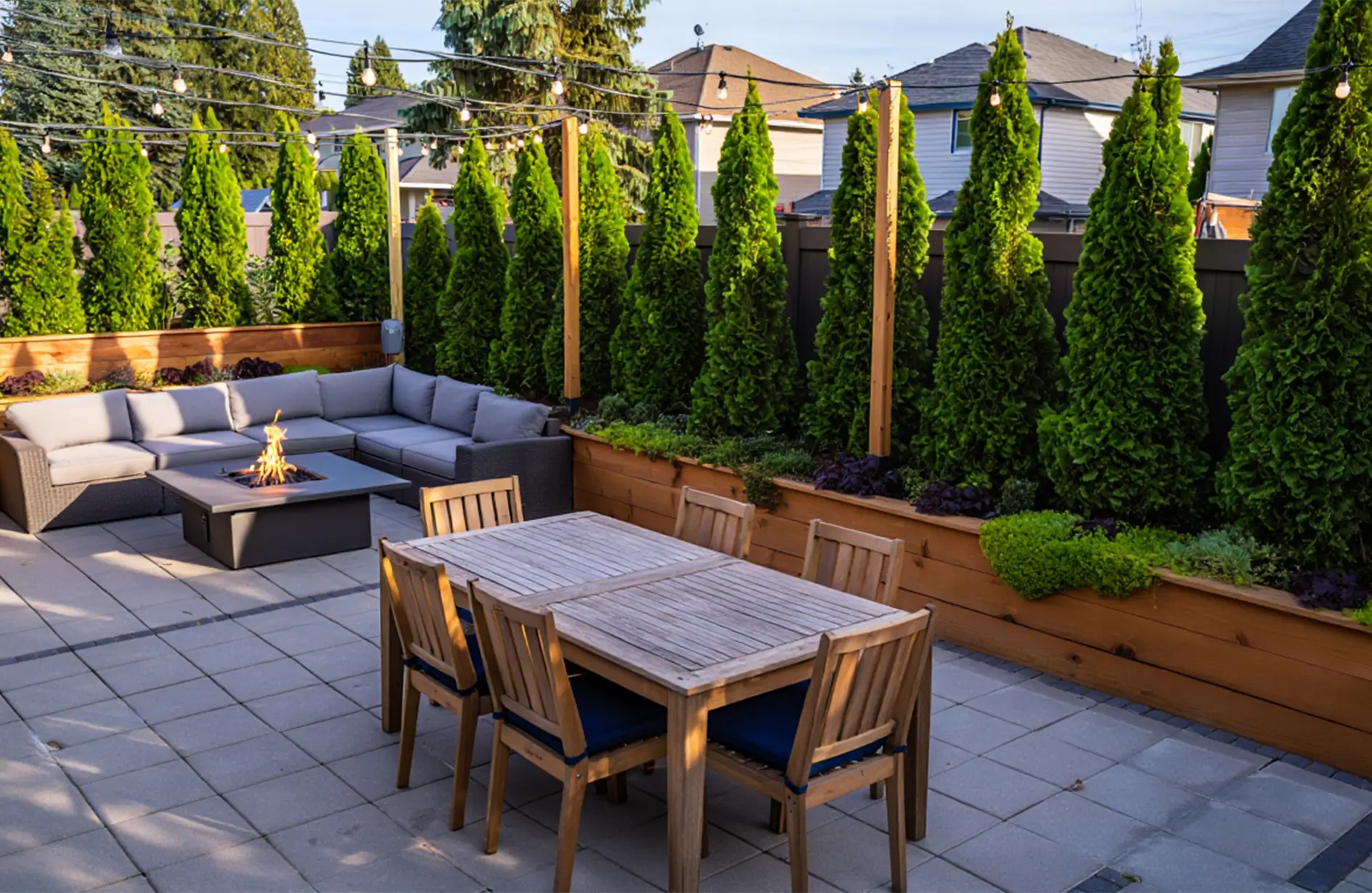 Climate-Focused Design
Here’s where most people mess up. They see something gorgeous on Pinterest and think, “I want that!” But here’s the reality: those designs were probably made for California—places where winter means wearing a light jacket.
The best landscape architecture tips for Edmonton start with respecting our climate. You’ve got to design for extremes. Materials that can handle going from frozen solid in January to baking hot in July. Plants that don’t just survive one winter, but thrive year after year.
Pay attention to how the sun moves across your yard. That sunny south-facing spot? Perfect for a patio where you’ll actually feel warm on cool evenings. When you connect landscape architecture with how you actually live outside, your space becomes way more functional.
Material Choices That Last
This is where I see people throw away money. They buy beautiful materials that look amazing… for exactly one season. Then the freeze-thaw cycle hits, and everything cracks or falls apart.
The best landscape architecture tips for materials? Invest in quality stuff rated for northern climates:
- Natural stone for pathways and patios
- Concrete pavers with proper base prep
- Composite decking that won’t warp or rot
- Treated lumber or powder-coated metal for structures
If you’re building any kind of landscape architecture building element—like a pergola or gazebo—use materials that laugh at our temperature swings. Trust me: spending more now saves you from redoing everything in three years.
Smart Layout Planning
Here’s something nobody tells you: layout matters more than how pretty individual elements look. You can have gorgeous plants and fancy furniture, but if the layout doesn’t make sense, you’ll never use it.
The best landscape architecture tips suggest breaking your yard into zones. Entertainment area over here. Quiet reading spot over there. Veggie garden in that sunny corner. This zoning thing is really just about making your space work for how you actually live.
The whole architecture as landscape concept shines when you blend hard structures—like walls and patios—with soft plantings so smoothly that everything feels intentional. Even a small yard can feel spacious with this approach.
Comparison Table of Landscape Architecture Elements
| Design Element | Purpose | Best Use in Edmonton | Difficulty Level |
| Native Plantings | Survive winters without babying | Foundation beds, natural areas | Easy |
| Stone Retaining Walls | Hold back soil, create levels | Sloped properties, terraced gardens | Moderate |
| Composite Decking | Outdoor space that lasts | Patios, elevated decks | Moderate |
| Permeable Pavers | Let water drain properly | Driveways, walkways | Advanced |
| Evergreen Windbreaks | Block wind, add privacy | Property edges, around patios | Easy |
| Outdoor Lighting | Extend usability after dark | Pathways, entertaining areas | Moderate |
Working with Professional Teams
Why Hire Landscape Experts?
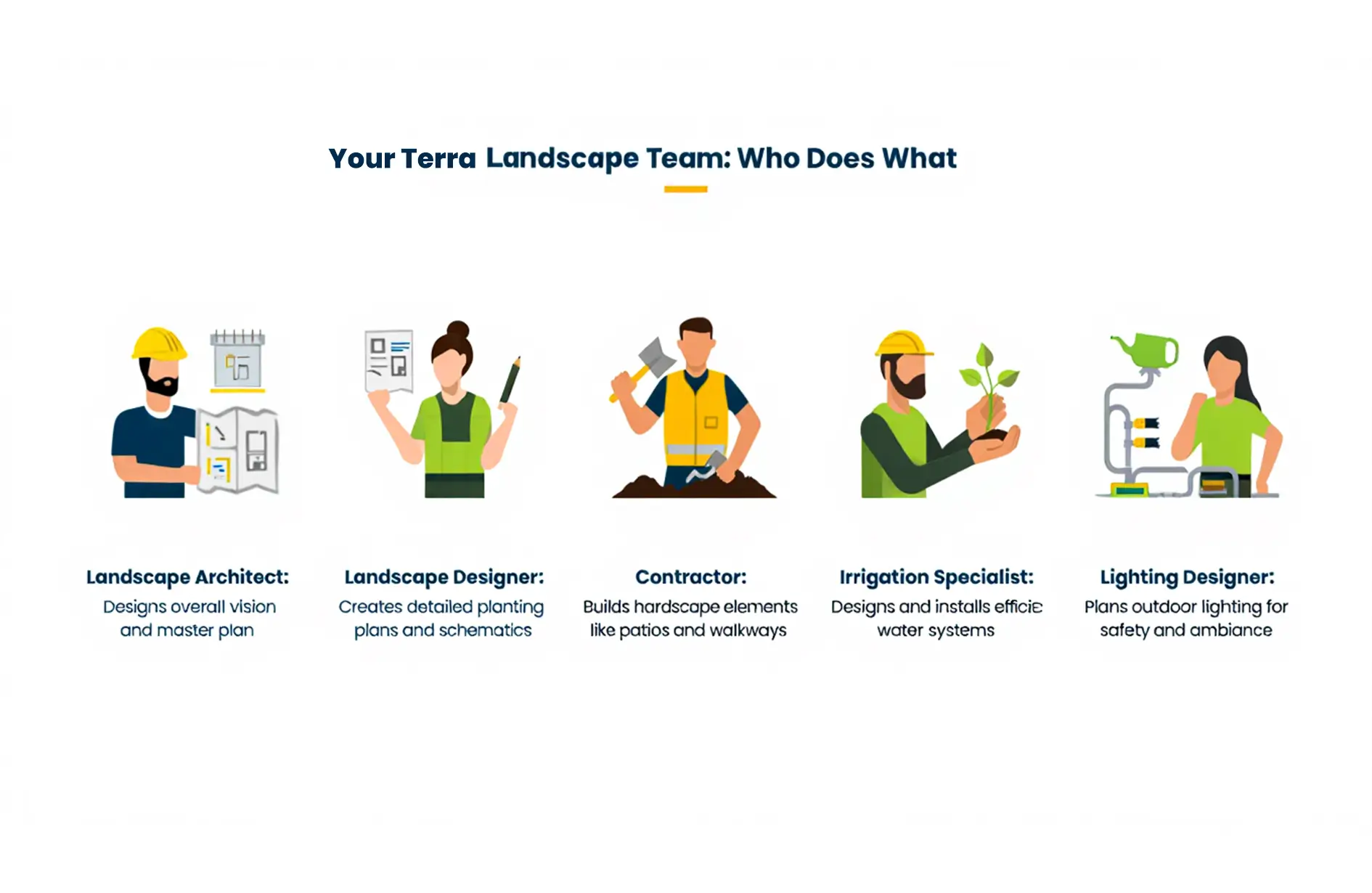 Why Hire Landscape Experts?
Look, I get it—hiring professionals costs money. But here’s what I’ve learned: trying to connect landscape architecture with actual construction without proper knowledge usually ends badly.
A good landscape architect who knows Edmonton understands our clay soil, our hardiness zones, and which plants actually survive here. They know how to grade your property so spring melt doesn’t flood your basement.
What Terra Landscaping Brings to Your Project
This is where working with experienced teams like Terra Landscaping makes a real difference. When you’re planning any landscape architecture building project, you need people who’ve seen what actually works in our climate.
What professional services include:
- Structural expertise– Proper footings and frost-depth calculations
- Material knowledge– What lasts in Edmonton vs. what fails
- Drainage solutions– Preventing basement floods and ice buildup
- Code compliance– Handling permits without headaches
Terra Landscaping covers everything from Landscape Design and Landscape Construction to Landscape Property Maintenance. They even handle specialized features like Living Walls and Green Roofs—which actually work great here when done right.
Yeah, it costs more upfront to hire someone who knows their stuff. But compare that to redoing failed projects or dealing with cracked retaining walls. The math works out pretty clearly.
Landscape Architecture Implementation Strategy
Phase Your Project Smartly
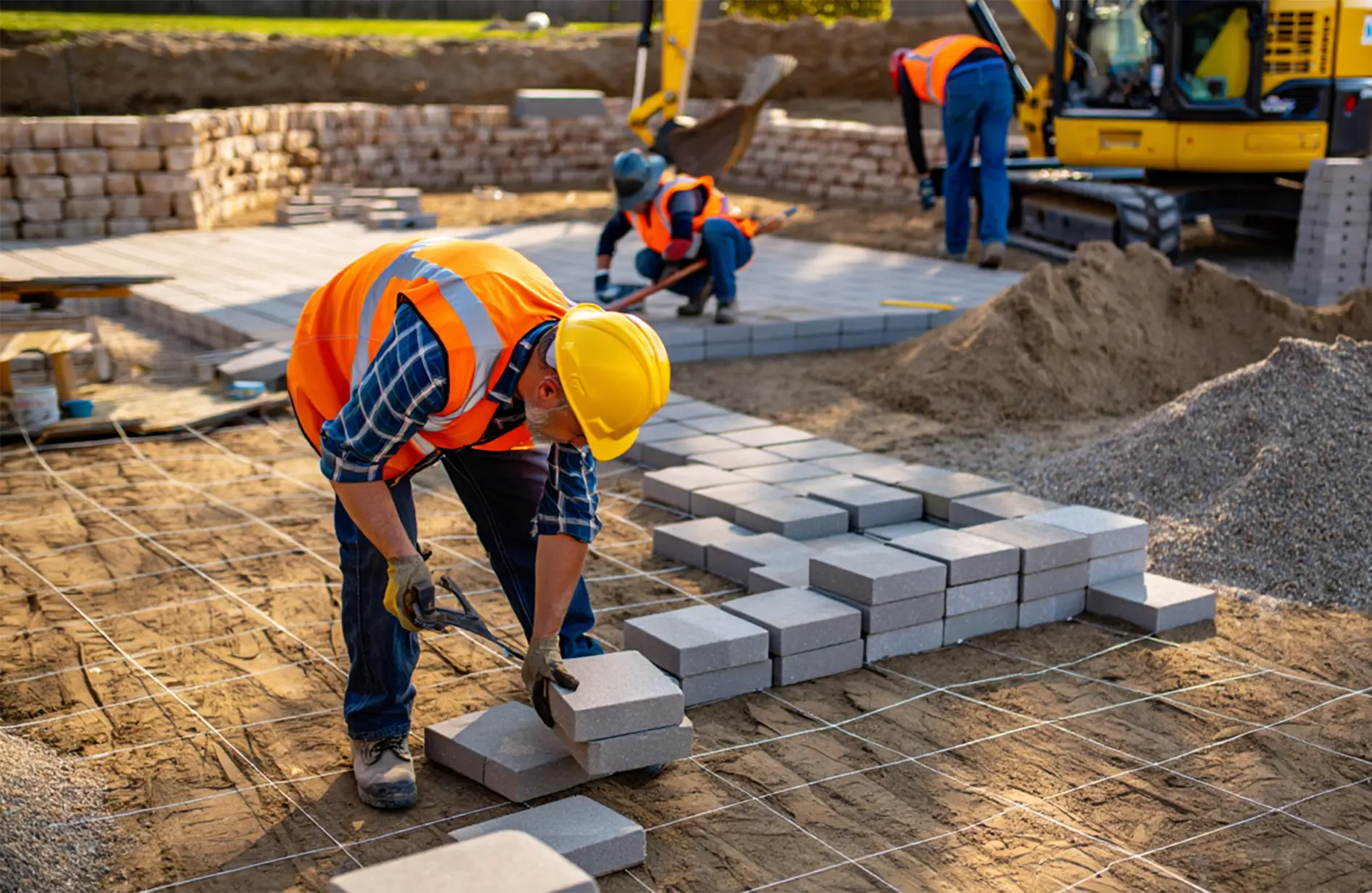 Phase Your Project Smartly
Here’s my favorite advice: you don’t have to do everything at once. The best landscape architecture tips include phasing your project so it’s actually affordable and manageable.
Start with the bones—grading, drainage, and major hardscaping. Get your patio built, your pathways laid out, any retaining walls constructed. These foundational elements set up everything else.
Then add layers over time. Year two might focus on planting trees and shrubs. Year three adds lighting, a fire pit, or finishing touches.
Document and Design for All Seasons
Take photos before you start. Make notes about problem areas. Track where puddles form after rain. This info helps professionals give you better recommendations.
And here’s something people forget: design for more than just summer. Fire pits, covered areas, and strategic windbreaks extend your outdoor season into spring and fall. That’s bonus time in your yard that Edmonton’s short summers desperately need.
Conclusion:
Creating an amazing outdoor space in Edmonton really comes down to this: respect the climate, invest in quality, and plan for how you’ll actually use the space. The best landscape architecture tips aren’t about following trends from warmer places—they’re about making smart choices that work specifically for our city’s unique challenges.
Edmonton’s tough on outdoor spaces, no question. But when you design with intention and use approaches that work with our climate instead of against it, you’ll end up with something that looks great and lasts for years. And honestly? That’s worth way more than any trendy design that dies after one season.
FAQs
What makes landscape architecture different from regular landscaping?
It involves structural design, engineering, and comprehensive planning expertise.
How long do landscape projects usually take in Edmonton?
Small jobs take weeks; full designs span multiple seasons.
What’s the single most important factor for Edmonton landscapes?
Proper drainage prevents foundation damage and ice buildup issues.
Should I only use native plants in my yard?
Native plants work best, but hardy non-natives add variety.
When should I start planning my landscape project?
Winter planning lets you start construction when spring arrives.