Look at your backyard right now. Really look at it. Is anyone actually using that space, or does it just sit there looking sad? I see this all the time across Edmonton—properties with yards that could be amazing but aren’t because nobody planned for our weather. Six months of frozen ground. Clay soil that either turns into a swamp or cracks like desert earth. Maybe three good months if we’re lucky. Your outdoor space needs way more thought than tossing down grass seed and hoping for the best.
Edmonton landscape construction means building areas that actually survive here. Patios that don’t heave every spring. Plants are making it through winter. Spaces you enjoy from May through October, not just that one perfect week in August. Get it right, and your Property value jumps, you’re outside more, and you’re helping the environment too. This guide covers everything—the actual steps, what’s working now, materials that last, and services worth your money. Want fresh ideas? Check Edmonton Landscape Construction Trends happening right now. Need help building your space? Visit Terra Landscaping in Edmonton and talk to people who know this city.
Understanding Edmonton Landscape Construction Services
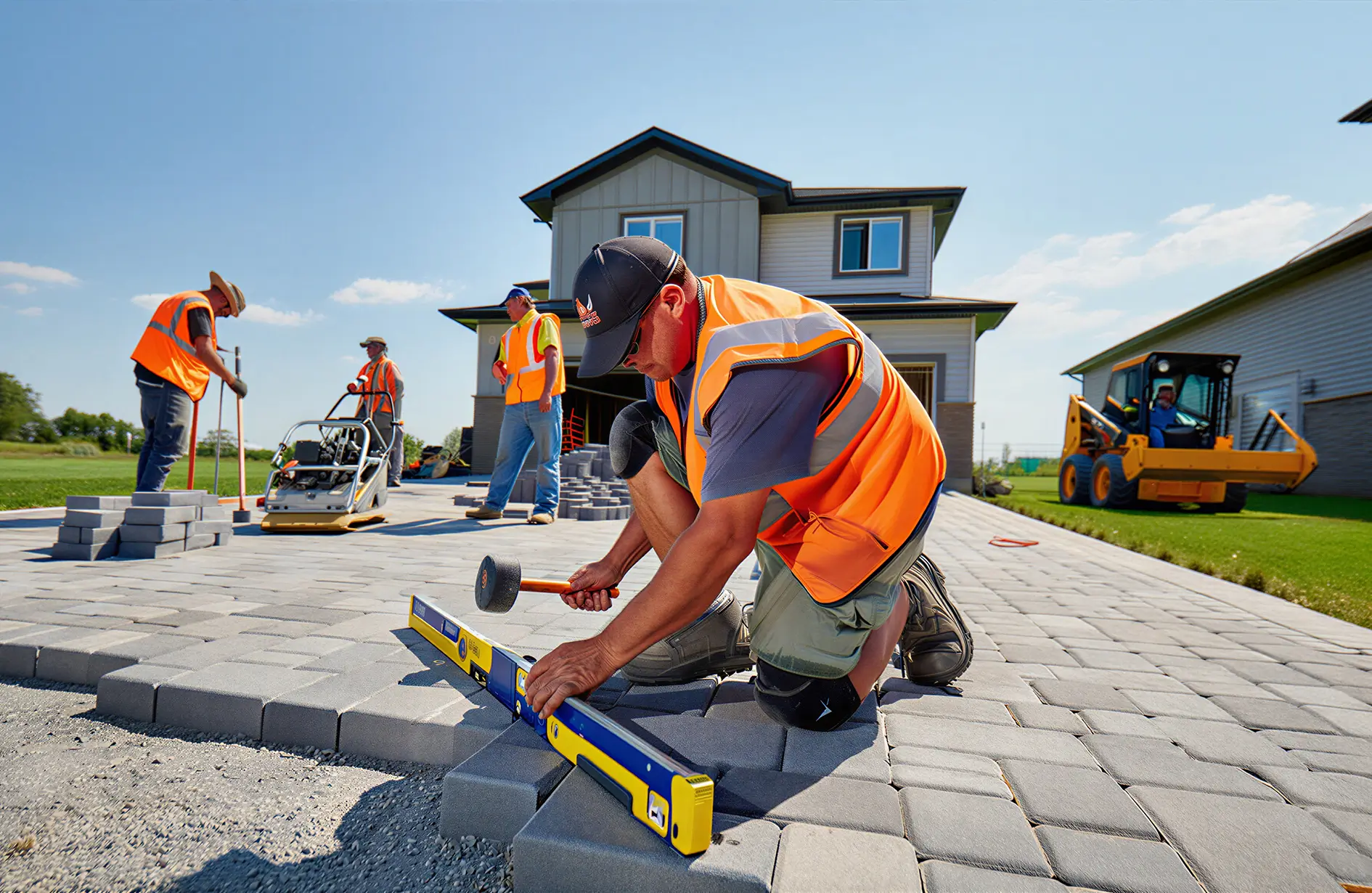 Real Edmonton landscape construction services handle the whole thing—design, permits, digging, building, planting. Everything. Not just some guy with a truck who throws down pavers and leaves. We’re talking crews who engineer outdoor spaces surviving freeze-thaw cycles. Teams managing clay soil that confuses everyone in Ontario. Builders creating structures that don’t crack apart by year three because they cut corners.
Hardscaping Services for Strong Foundations
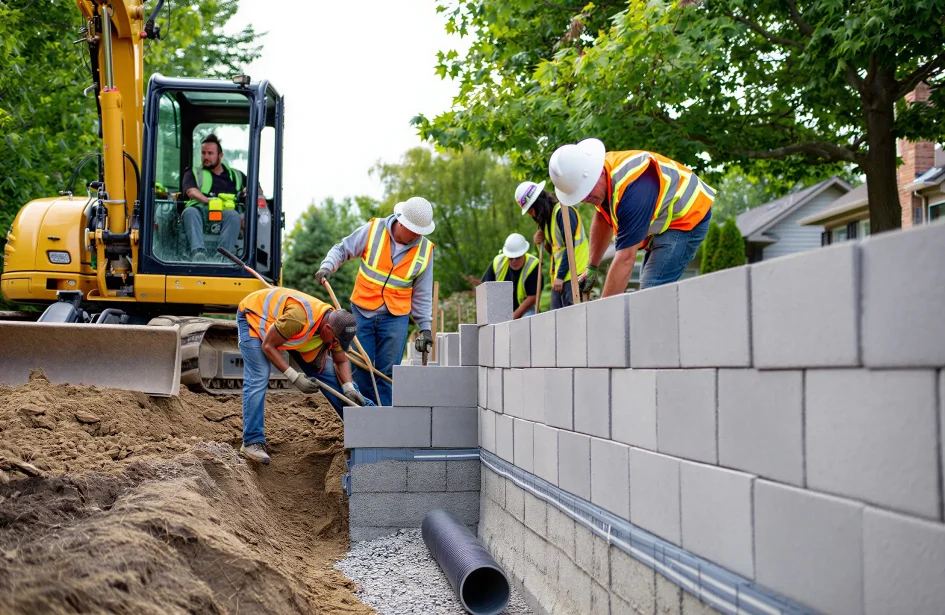
Hardscaping is your backbone. Without it, everything else fails. Patios people actually walk on. Pathways that don’t turn into mud pits. Retaining walls hold back slopes instead of collapsing.
What matters here:
- Patios built with freeze-resistant patio stones that handle our winters
- Walkways with a minimum of six inches of compacted base minimum
- Retaining walls that manage water instead of trapping it
- Decorative borders using landscape rocks that don’t shift
Quality hardscaping services in Edmonton mean crews who’ve been here long enough to know. They dig deeper than the manual says. They compact every base layer. They grade everything so spring melt runs toward the street, not your basement.
Commercial Landscape Construction Options
Business properties play a different game than homes. You need spaces looking professional every single day. Commercial landscape construction handles the bigger stuff—shopping centers, office entrances, industrial properties, trying not to look industrial.
These projects think differently. Way more foot traffic means materials are taking serious abuse. Bigger budgets let you do statement pieces. Professional appearance matters constantly because clients judge you by what they see when driving up.
Custom Landscape and Construction for Unique Yards
Cookie-cutter designs fail here because every property is fighting different problems. Custom landscape and construction means solutions built for your exact situation and what you actually want.
You may have got a 15-degree slope that needs terracing without looking like a staircase. Or a tiny yard where every square foot counts. You want natural river stones throughout because you’re tired of mulch blowing away. Custom work solves your specific problems instead of forcing some generic plan that half-works.
Key Steps in Edmonton Landscape Construction
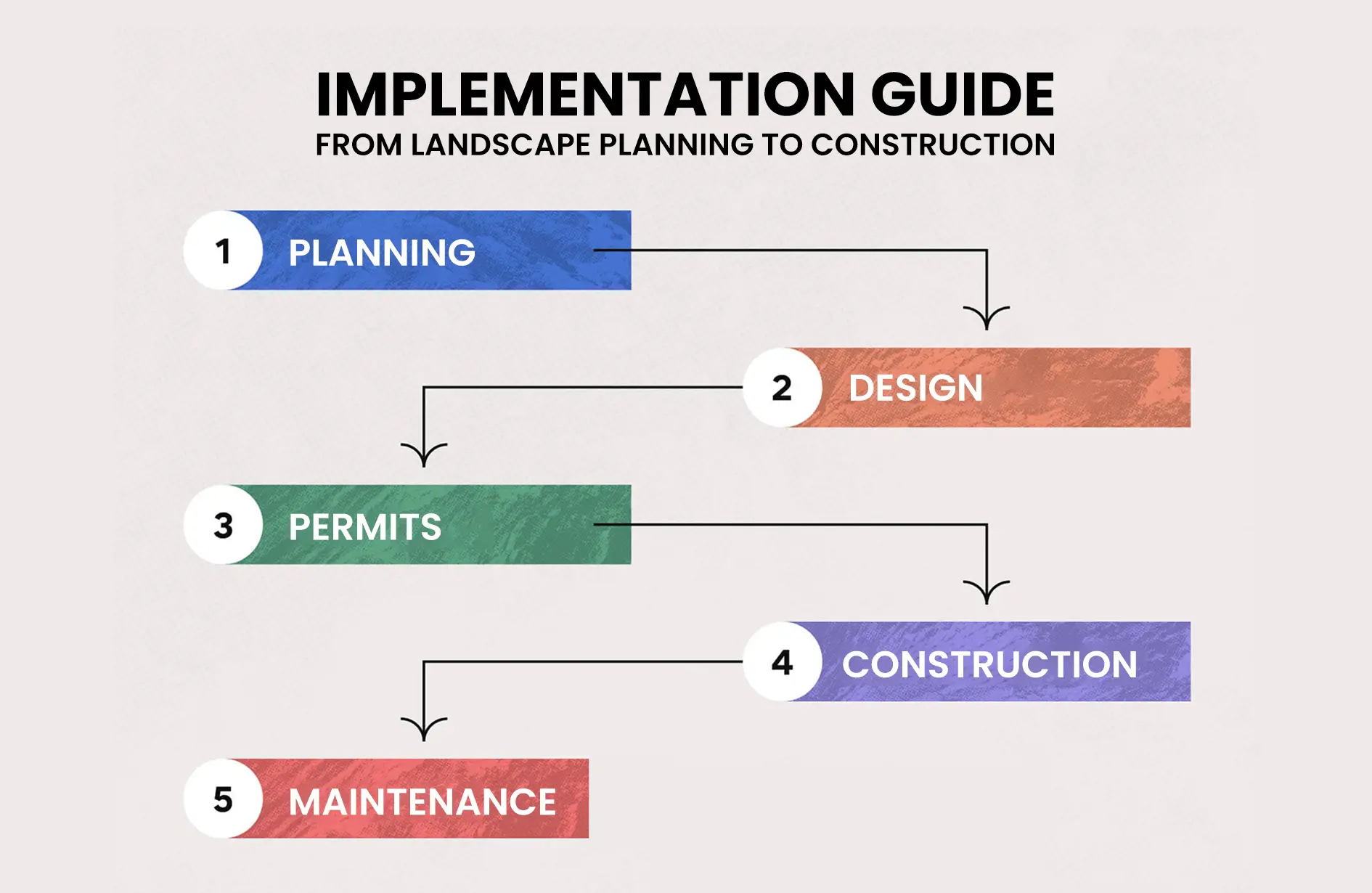
Step 1: Planning and Site Assessment
Everything starts here. What’s your soil actually like? Where does water go during the spring melt? Which spots bake in the sun versus staying shaded? Good crews test soil composition, map where water flows, and note what exists before drawing anything.
Step 2: Design Phase
Design balances looking good with working here. Spaces that photograph beautifully but also survive our winters. Designs think about where snow gets piled, summer sun angles, and how you access things year-round.
Step 3: Material Selection and Permits
Picking materials means choosing stuff that survives Edmonton. Half the products at garden centers crack apart here. City rules require permits for structures over certain heights, electrical work, and gas lines. Pro teams know what permits and handle applications.
Step 4: Construction and Installation
This is where drawings become real. Excavation. Base layers. Installation. Each step matters because shortcuts show up fast. Rush the base layer, and your patio settles unevenly. Skip proper drainage, and water wrecks everything by spring.
Step 5: Finishing Touches and Ongoing Care
Final details finish the job. Lights get wired. Plants go in. You get maintenance schedules so things stay looking good. Ongoing care keeps spaces working right for years instead of falling apart in season two.
Edmonton Landscape Construction Trends in 2026
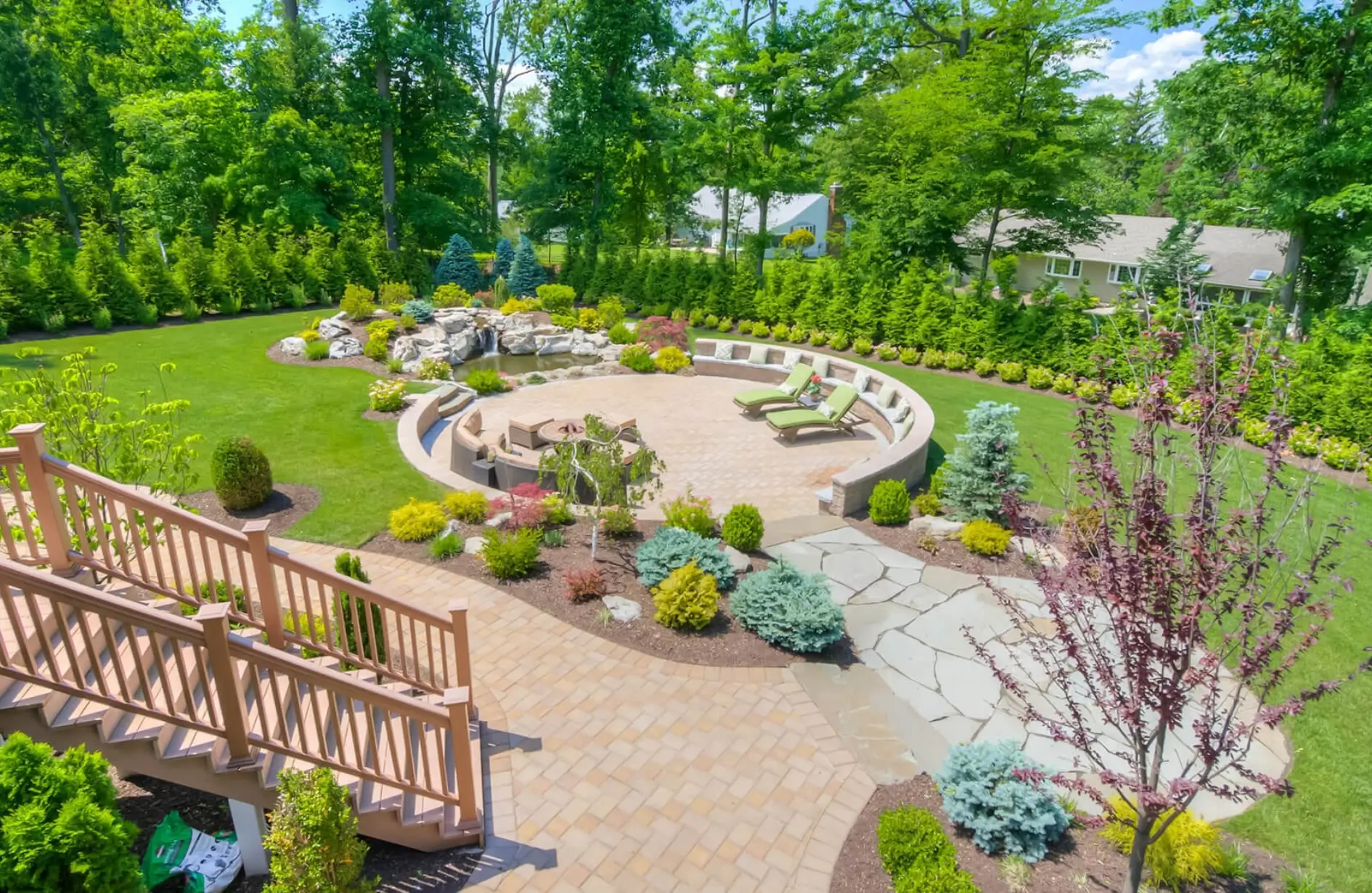 Current trends push toward natural materials, sustainability, and designs working year-round. People want outdoor spaces they actually use instead of admiring through windows all summer.
What’s happening now:
- Curved patio edges because rigid rectangles feel dated
- Earth tones match Alberta’s natural landscape colors
- Native plants need way less water once established
- Multi-season interest using evergreens for winter structure
- Low-maintenance designs give you weekends back
Smart features aren’t a luxury anymore—they’re expected. Automated lighting turns on at dusk. Built-in heating lets you use spaces into October—weather-resistant materials eliminate constant upkeep.
Essential Materials for Edmonton Landscape Construction
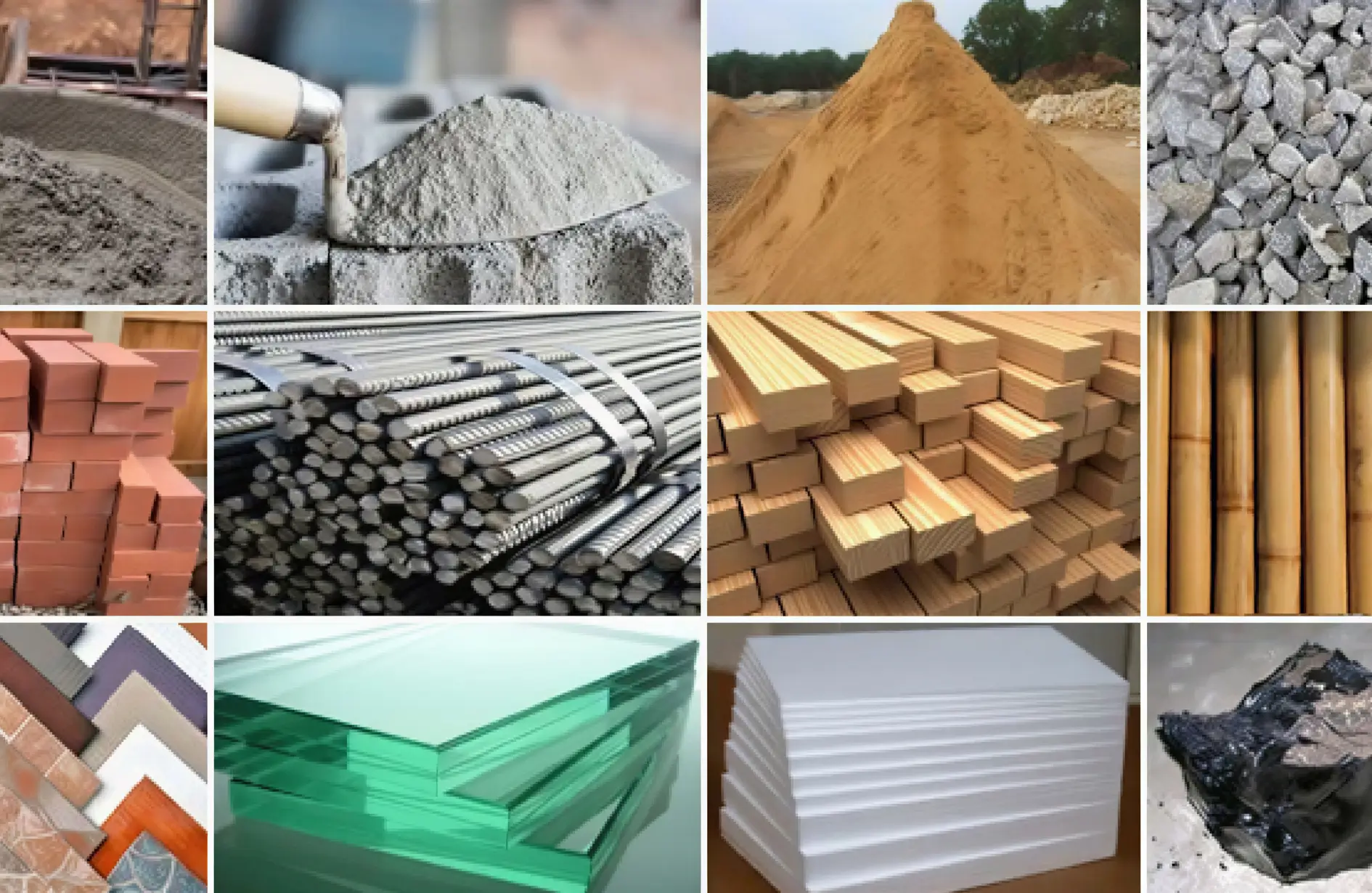 Material choices make or break projects here. You need stuff surviving -35°C winters and +35°C summers without cracking, heaving, or falling apart.
Categories that last:
- Natural stone for timeless looks and serious strength
- Concrete products engineered specifically for freeze-thaw
- Quality aggregates create proper drainage
- Hardy plants proven in our Zone 3-4 climate
Natural materials win in the long term. Real stone costs more upfront, but your grandkids will still be using it. Cheap concrete pavers crack within five winters here. Native flowering shrubs and bushes need minimal water after year one, versus exotic imports requiring constant attention.
Using Landscape Rocks and River Stones Effectively
Landscape rocks and river stones solve multiple problems while looking great. They drain way better than organic mulch. Don’t decompose or blow away in the wind. Add natural texture and visual interest.
How people use them:
- Dry creek beds directing spring melt away from the foundations
- Decorative borders separating the lawn from the gardens
- Ground cover in high-traffic zones that kill grass anyway
- Base material around fire pits and seating areas
- Mulch alternative in contemporary designs
Mix different sizes for depth and interest. Use larger river rock as focal points. Fill gaps with smaller pebbles. Layer landscape rocks over landscape fabric, stopping weeds while letting water through.
Patio Stones for Beautiful and Practical Surfaces
Patio stones form the foundation of outdoor living here. The right materials mean surfaces that don’t crack, heave, or become uneven after a few winters. Wrong materials mean you’re redoing everything in five years.
| Type | How Long It Lasts | Work Needed | Style Options |
| Concrete Pavers | 25+ years | Almost none | Hundreds available |
| Natural Flagstone | 50+ years | Basically zero | Every piece unique |
| Brick Pavers | 15-20 years | Some | Classic looks |
| Porcelain Pavers | 30+ years | None | Ultra-modern |
Standard concrete pavers stay most popular for good reasons. Affordable enough for most budgets. Durable through our winters. Come in endless styles and colors. Individual pieces can be replaced if one somehow cracks. Proper patio construction with good base prep means they look great for decades.
Best Landscape Architecture Tips for Edmonton Yards
Smart planning starts with understanding your actual site instead of copying photos from Vancouver that won’t work here.
What matters for planning:
- Track sun patterns through the whole growing season
- Actually understand your soil type and how it drains
- Plan for our temperature extremes—both ends
- Think about what things look like under snow
- Design for year-round interest, not just summer
Native plant choices make life easier. They evolved for our short summers and brutal winters. Pick hardy flowering shrubs and bushes that bloom at different times. Mix evergreens giving winter structure. Layer different heights, creating depth.
Low-maintenance doesn’t mean zero maintenance. Even native landscapes need some work. The difference is you’re working with nature instead of constantly fighting it and losing. Get more expert ideas from the best landscape architecture tips covering what actually works here.
Choosing the Right Edmonton Landscape Construction Company
 Not all companies handle Edmonton conditions the same. You need teams with real local experience who’ve proven themselves through multiple freeze-thaw cycles and actually stick around to fix problems.
Look for these things:
- At least 10 years of working experience, specifically in Edmonton
- Portfolio showing projects from five years ago is still looking good
- Real knowledge about local clay soil and drainage challenges
- Proper licensing and insurance covering the work
- References from clients you can actually call
Terra Landscaping Construction Company brings over 40 years of experience right here. They’ve handled every soil condition, weather problem, and design trend Edmonton throws at properties. Their crews know what works and what fails.
Residential work versus commercial landscape construction needs different expertise. Residential focuses on livability and personal style. Commercial emphasizes durability and looking professional constantly. Pick companies with relevant experience for your project type.
Conclusion
Edmonton landscape construction in 2026 combines smart planning, materials that survive here, and current design trends, creating outdoor spaces you’ll actually use—no more yards sitting empty because they weren’t built for our climate. No more replacing failed patios every few years because someone skipped proper base prep. Real outdoor rooms that extend your living space outside those four walls. Get started with people who know this city inside out. Browse Edmonton Landscape Construction Trends for inspiration and talk to Terra Landscaping in Edmonton about professional services backed by 40+ years of local experience.
FAQs
What is the best time of year to start landscape construction in Edmonton’s climate?
Late spring through early fall works best, usually May through September, when the ground is thawed and dry enough for digging.
Can landscape construction be done in the fall or winter in Alberta?
Some fall work happens before freeze-up, but most projects wait for spring when the ground cooperates.
What are common mistakes to avoid during landscape construction in cold regions?
Skipping drainage, using thin base layers, choosing materials that crack in cold, and ignoring winter access all cause problems.
How does soil type in Edmonton impact landscape construction choices?
Heavy clay needs deeper excavation, better drainage systems, and specific base materials—it affects everything from plants to paver installation.