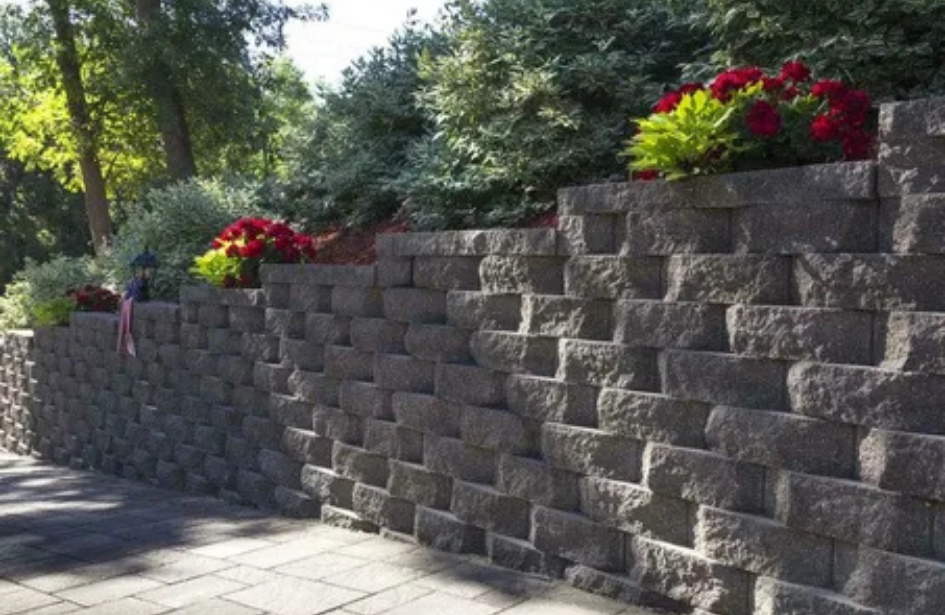
Edmonton has long, cold winters and a lot of freeze-thaw cycles, which make it hard for outdoor structures to stay in good shape. You need the right retaining wall blocks to build a garden wall that will last. If you use the right materials, put them up the right way, and take care of them the right way, your wall will stay strong, safe, and nice-looking all year. This guide will talk about everything from the different types of blocks to how to put them up and keep them in good shape in Edmonton’s weather.
Why Retaining Walls in Edmonton Are Essential for Soil Protection

In the winter, Edmonton gets a lot of snow, and in the spring, when the snow melts, it rains a lot. Without properly built retaining walls in Edmonton, slopes can wear away, which can hurt gardens, driveways, and landscaping. A good retaining wall keeps soil in place, which protects plants and stops landslides.
For example, a backyard with a 25° slope can lose topsoil when the snow melts. A strong wall with good drainage stops this loss.
1. Keep Foundations Safe from Frost Damage
Water near your property might freeze in winter, expanding and contracting the ground. This could damage sidewalks or foundations over time. Water is kept out by retaining walls, preventing further damage.
2. Make the outdoors usable with landscaping blocks
Not only do retaining walls serve a purpose, but they also make outdoor living better. They make it possible to have terraces, raised garden beds, or seating areas using decorative landscaping blocks and garden wall retaining wall blocks on uneven land. Turning a slope into a usable space with landscape retaining wall blocks can make even small Edmonton yards feel bigger and more functional.
Different kinds of blocks for retaining walls

Because Edmonton is so cold, the blocks need to be able to handle frost, heavy snow, and soil pressure. Here are some common choices:
1. Concrete Retaining Wall Blocks
Concrete retaining wall blocks are strong and frost-resistant, making concrete blocks in Edmonton a popular choice for long-lasting outdoor structures. They come in different shapes and sizes, so you can use them for garden beds, slopes, or the edges of your driveway. A lot of homeowners choose these blocks because they are strong and last a long time.
For example, a small retaining wall in the front yard made of concrete blocks can last for decades with little upkeep.
2. Allan Block Retaining Wall
Both DIYers and contractors like the Allan block retaining wall system. The blocks fit together, so walls can be built without mortar. This interlock retaining wall design lets things move around during freeze-thaw cycles, which is very important in Edmonton’s winters.
3. Retaining Wall Made of Cement Blocks
Cement block retaining wall systems are strong, but they don’t bend as easily. A professional concrete retaining wall contractor in Edmonton can ensure proper waterproofing and reinforcement. To keep cracks from freezing water, you might need to add more waterproofing. They are often used for taller walls or structural purposes where strength is important.
4.Blocks for interlocking retaining walls
Interlocking blocks for retaining walls fit together tightly, which keeps the soil from moving. They work best on slopes or places where the water pressure is high. Interlocking blocks make building easier and keep things stable in Edmonton’s freeze-thaw weather.
5. Big Retaining Wall Blocks Edmonton
For bigger jobs, large retaining wall blocks Edmonton give you more strength and make it easier to put them up. These blocks are great for commercial projects, steep slopes, or long garden walls where it would take longer to install smaller blocks.
Edmonton Retaining Wall Installation Tips

For homeowners who prefer professional installation, Terra Landscaping provides proper base preparation, drainage management, and code-compliant retaining wall construction.
It takes a lot of planning to build a wall in Edmonton. If you don’t install blocks correctly, they can break.
1. Good Drainage
Water pressure behind the wall can cause it to break, especially when it freezes. Use gravel backfill and drainage pipes with holes in them to move water away. A French drain is a common way to deal with areas with a lot of moisture.
2. Base that is solid
You need a stable, level base of compacted gravel. Even small bumps can cause walls to tilt or crack when the temperature changes from freezing to thawing. For walls taller than 3 feet, think about using deeper footings and geogrid to make them stronger.
3. Layout with Staggered Lines
Instead of putting blocks in a straight line, put them in a staggered pattern. This spreads the pressure out more evenly and keeps the blocks from moving.
For example, putting up a 4-foot garden wall on a 15° slope? Frost heave and shifting are stopped by staggered interlocking blocks with gravel backfill.
5. Advice from Experts
If your walls are more than 4 feet tall or part of a large landscaping project, hiring experienced retaining wall contractors in Edmonton will ensure proper installation and compliance with local codes.
Taking care of things in cold weather
Even the best walls need to be taken care of, especially in Edmonton.
1. Checkup once a year
After the winter, look for cracks, shifting, or loose blocks in the walls. Fixing things early stops bigger problems from happening.
2. Taking care of snow
Don’t pile snow up against the wall. Water that melts can get behind blocks, freeze, and expand, which can hurt the structure.
3. Controlling Plants and Weeds
Over time, weeds growing between blocks can make them less stable. Take care of weeds right away, and think about putting landscaping fabric behind the wall for extra protection.
4. Winter Safety Tips
Don’t use salt or strong de-icers near retaining walls. If you use salt on cement block retaining walls, it can eat away at the blocks and make the mortar weaker.
Picking the Right Retaining Wall Blocks
The right block for you will depend on the height of your wall, the slope, and how you want it to look.
1. Height of the Wall
Standard retaining wall blocks can be used for short garden walls. For taller walls, interlocking or large retaining wall blocks Edmonton are needed for extra stability.
2. Strength and Long Lastingness
Pick heavy-duty blocks that won’t freeze, like concrete block retaining walls or concrete block retaining wall systems. These are made to not crack when they go through freeze-thaw cycles.
3. Looks and Style
There are many different colors, textures, and finishes for blocks. Think about a style that goes well with the design of your home or yard. Allan blocks are often more flexible in terms of design, while large blocks have a strong, modern look.
Things to think about when it comes to cost
Big blocks might cost more up front, but they save time on the job. Individually, smaller blocks cost less, but they take longer to put together. Think about both the cost and how long it will last before you make a choice.
If you are planning a durable, long-lasting retaining wall for your yard, Terra Landscaping offers full retaining wall services across Edmonton.
Conclusion
Choosing the right retaining wall blocks for Edmonton’s cold weather will make your outdoor space more stable, protect your soil, and make it look better. To choose the best block type, think about your slope, drainage needs, wall height, and how you want it to look. Your wall can last for decades, even through Edmonton’s harsh winters, if you install and care for it properly. Plan your retaining wall now so that you can have a yard that is safer, more useful, and more beautiful.
FAQs
Q1: What is the best kind of wall material for Edmonton?
Concrete or interlocking blocks can handle frost and soil pressure.
Q2: How deep should the base of a retaining wall be?
It is best to have at least 6 inches of compacted gravel.
Q3: Is it possible for me to install blocks?
Yes, you can build small walls with interlocking blocks yourself.
Q4: How often should I check my wall?
Look for cracks or shifts after heavy rain and winter.
Q5: Do big blocks last longer?
Yes, big blocks for retaining walls make them stronger and more stable.
Q6: Can you repair a concrete retaining wall?
Yes, concrete block retaining walls can be repaired by replacing damaged blocks and improving drainage.
Q7: What is the most common retaining wall failure?
The most common failure is soil pressure and water buildup behind the wall, which can cause leaning or cracking.
Q8: Are interlocking blocks good for retaining walls?
Yes, interlocking retaining wall blocks handle freeze-thaw cycles and stay stable in cold weather.
Q9: What are interlocking blocks used for?
Interlocking blocks are used to build both decorative and structural walls. They are ideal for terraces, garden walls, slopes, and areas where soil pressure is high.