
Edmonton winters are brutal. When temperatures drop to -30°C, any retaining wall in Edmonton—especially a wood retaining wall—faces serious challenges. Frost, ice, and constant freeze-thaw cycles can damage even the strongest timber structures. But here’s the good news, with proper protection and maintenance, your wall can survive decades of harsh weather.
Let me show you exactly how to protect your investment.
Why Frost Destroys Wood Retaining Walls
Frost damage happens in a simple but destructive way. Water seeps into tiny cracks in your wood. When temperatures drop, that water freezes and expands. This expansion pushes wood fibers apart from the inside out. When spring arrives, the ice melts and the wood contracts back down. This cycle repeats hundreds of times every winter in Edmonton.
The result? Deep cracks form. Wood splits along the grain. Boards start warping. Eventually, rot takes hold in the damaged areas.
But that’s not all. The soil behind your wall freezes solid too. Frozen ground expands with incredible force, pushing hard against your wood retaining wall. This pressure can shift posts out of position or even topple entire sections.
Choosing the Best Wood for Retaining Wall in Edmonton
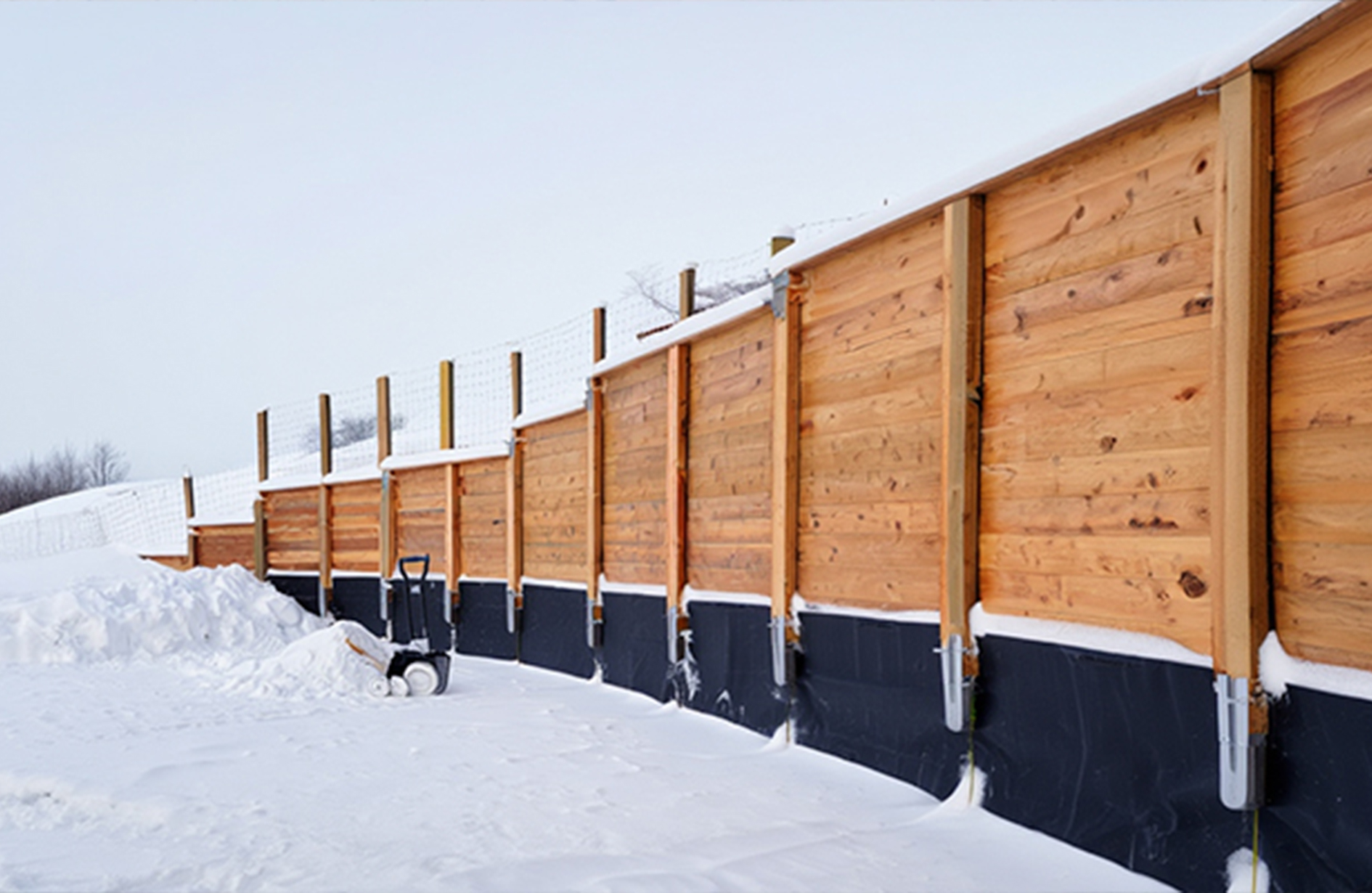 The type of timber you choose makes all the difference. Some woods handle our cold climate much better than others.
Pressure-treated lumber should be your first choice. The chemical treatment forces preservatives deep into the wood fibers, protecting against moisture, decay, and insects. Always look for lumber rated for “ground contact“; this rating means it’s designed to be buried in soil without rotting.
Cedar costs more upfront but offers excellent natural protection. Cedar contains oils that naturally repel water. Less water absorption means less freezing damage inside the wood.
Tamarack is a local favorite for good reason. This wood species grows in cold climates, so it’s naturally adapted to handle freeze-thaw cycles better than softer options like pine or spruce.
Here’s a practical example: if you’re building 3-foot wood retaining walls in Edmonton along your driveway, use pressure-treated 6×6 posts for the main supports and 2×8 boards for the wall face. This combination gives you the durability Edmonton winters demand.
Preparing Your Wall Before Winter Arrives
Protection starts months before the first snowfall. Late summer and early fall are the perfect times to prep your wall.
Apply a Quality Wood Sealant
Think of sealant as waterproof armor for your timber. It creates a protective barrier that stops moisture from soaking into the wood. Without this barrier, water gets in, freezes, and causes damage.
Pick a dry day when temperatures are above 10°C. Use a brush or pump sprayer to apply sealant to every surface: front, back, top, and bottom of each board. Pay extra attention to cut ends and joints. These spots absorb water the fastest.
In addition to sealant, installing a moisture barrier for a wood retaining wall adds another layer of frost protection. Heavy plastic sheeting, landscape fabric, or waterproof membranes placed between the soil and wood help prevent constant moisture contact, reducing freeze-thaw damage.
Plan to re-apply sealant every 2 to 3 years. It wears off over time.
Check and Improve Drainage
Poor drainage is the number one killer of wood retaining walls. If water pools behind your wall and freezes, the expanding ice will push your structure forward with enormous force.
Install at least 12 inches of crushed gravel as backfill behind your wall. Gravel lets water drain downward instead of sitting against the wood. Add perforated weeping tiles at the base to channel water away from the wall completely.
Before winter hits, check that all drainage pipes are clear. Remove any soil, roots, or debris blocking the flow.
Winter Care Tips That Actually Work
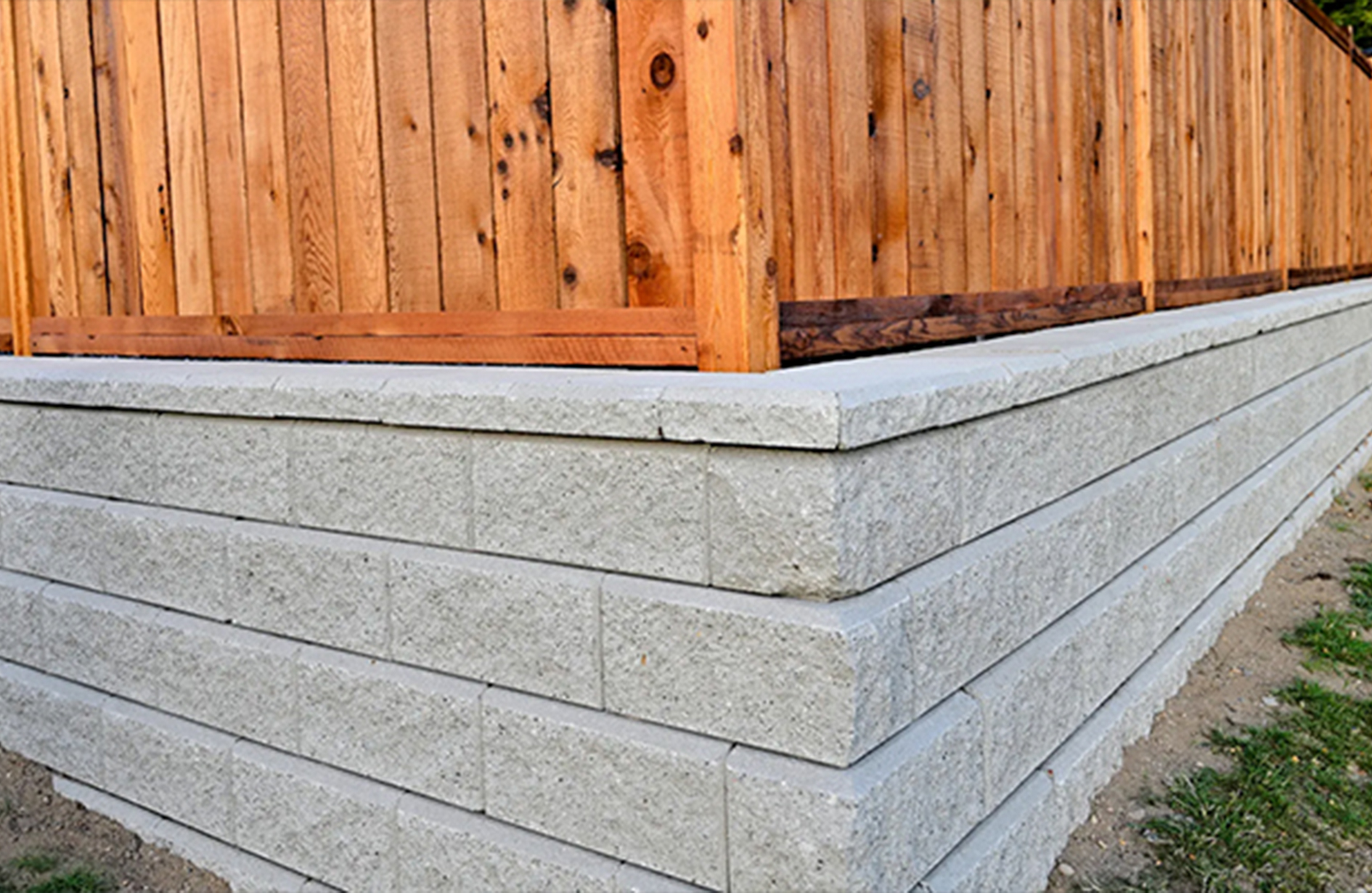 Once winter arrives, you’re not helpless. You can still take steps to protect your wall.
Manage Snow Properly
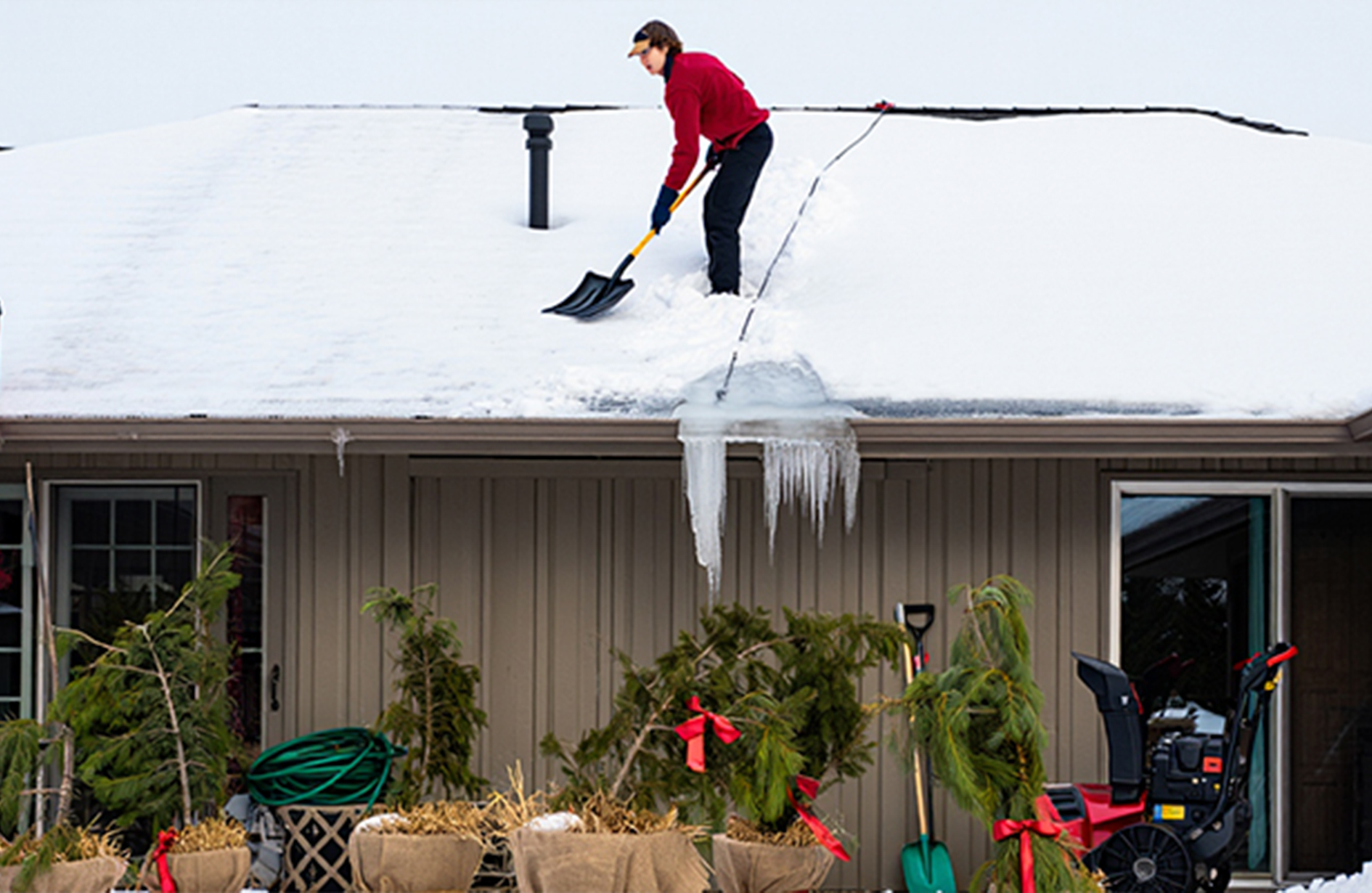
When you’re shoveling or snow blowing your driveway, never pile snow directly against your retaining wall. The weight puts unnecessary pressure on the structure. Worse yet, when that snow melts during the day and refreezes at night, it creates an ice barrier that traps moisture against the wood.
Keep snow piles at least 3 feet away from your wall. Give melting snow somewhere to go that doesn’t involve your retaining structure.
Build Below the Frost Line in Edmonton
This is critical for the wood retaining wall in Edmonton. The Edmonton frost depth can penetrate up to four feet deep during extreme cold snaps. To stay below the frost depth in Edmonton, your support posts must go deeper than this—at least 5 feet into the ground.
Why? Posts buried below the frost line stay anchored in unfrozen soil. They won’t shift and heave like shallow posts do.
If you’re installing a 4-foot tall wall, dig your post holes 6feet deep. Put gravel at the bottom for drainage, set your posts, and use concrete around them for maximum stability.
Smart Design Ideas for Edmonton
Your retaining wall can be both functional and attractive. Consider these wood retaining wall ideas that work great in our climate:
Stepped terraces break up a steep slope into multiple shorter walls. Each individual wall faces less soil pressure, so they last longer. Plus, you get flat planting areas on each level, perfect for flowers, vegetables, or just lawn space.
Curved walls follow your yard’s natural contours instead of cutting straight lines. Curves look more natural and actually distribute pressure more evenly than straight walls. The soil pushes against a broader surface area.
Built-in seating turns the top of your wall into a useful feature. Install wider cap boards on top, sand them smooth, and you’ve created a nice place to sit. As a bonus, wide cap boards shed water better, protecting the wall structure underneath.
Simple Seasonal Maintenance
 Protection isn’t a one-time job. Your wall needs attention twice a year.
Spring inspection time: Walk along your entire wall looking for winter damage. Check for new cracks or splits in the wood. Look for sections that are leaning or tilting. Check if any boards have pulled away from the posts. Feel for soft spots that might indicate rot starting.
Find problems early, fix them cheap.
Fall prep routine: Clean all debris out of your drainage areas, leaves, dirt, whatever’s built up. Apply fresh sealant to any new wood or spots where the old sealant has worn thin. Tighten any bolts or screws that have loosened over the year.
Do this every year without fail. A properly maintained wall can last 20 to 30 years in Edmonton’s climate.
Why Terra Landscaping Makes a Difference
Building a retaining wall that survives Edmonton’s climate takes real expertise. Terra Landscaping specializes in projects like this across the city. Their Landscape Design service plans walls with proper drainage and frost protection built in. When construction starts, their Landscape Construction team uses correct installation methods and quality wood retaining wall materials. They also provide Landscape Property Maintenance to inspect and repair your wall over the years, catching problems before they get expensive.
Start Protecting Your Wall Now
You don’t need to do everything at once. Start with what matters most right now based on the season.
Winter’s coming? Focus on applying sealant and checking your drainage system.
Spring just arrived? Do a thorough inspection and make any needed repairs before next winter.
The key is starting. Small efforts now prevent huge expenses later. A weekend of maintenance saves thousands in wall replacement costs. Your retaining wall works hard. Because it holds back tons of soil. It prevents erosion. It creates usable space in your yard. Give it the protection it deserves, and it’ll serve you well through many Edmonton winters.
FAQs
How deep is the frost line in Edmonton?
Edmonton’s frost line reaches 1.2-1.8m (4-6 feet), varying by snow cover and soil type—deeper on plowed driveways. Retaining wall posts need 1.8m minimum burial per Alberta codes to prevent heave.
Can a wood fence be used as a retaining wall?
No, standard wood fences cannot handle lateral earth pressure or Edmonton frost heave—dedicated pressure-treated retaining timbers with 6×6 deadmen bracing are required. 4×4 fence posts fail above 2 ft soil retention per engineering load standards, unlike purpose-built systems with geogrid reinforcement.
What’s the minimum post depth for Edmonton frost conditions?
Minimum 1.8m (6 feet) embedment below grade exceeds Edmonton’s 1.2-1.8m frost line for frost heave resistance. Gravel base and concrete footings in clay soils stabilize 6×6 posts against differential soil movement.
Can I use regular lumber for retaining walls here?
No, regular untreated lumber fails rapidly under Edmonton’s soil moisture and freeze-thaw cycles—use only pressure-treated, ground-contact rated timbers (min 4×6 per City codes). Dimpled waterproof membranes are mandatory for timber walls to block hydrostatic pressure, detail competitors skip.
How do I know if frost has damaged my wall?
Inspect for fresh vertical cracks (>1/8″ wide), pronounced leaning (>1″), or spongy end grains signaling internal freeze expansion. Specifically for Edmonton, delamination from clay soil salts accelerating post-thaw splintering, missed by generic checks.
Is wood good for a retaining wall?
Yes, wood can work well for smaller retaining walls, Especially for Edmonton walls under 4 ft, where pressure-treated timber offers superior cost savings and natural aesthetics versus concrete. Geogrid reinforcement behind timbers distributes lateral soil thrust effectively in freeze-thaw zones.
Is a wood retaining wall cheaper than concrete?
Yes, wood is usually cheaper to install. Concrete systems cost more upfront but often last longer and require less maintenance.
What is the cheapest wood for a retaining wall?
Pressure-treated pine is generally the most affordable choice for a basic wood retaining wall.
Should I use 4×4 or 6×6 for a retaining wall?
Use 6×6 posts for Edmonton retaining walls; 4x4s lack sufficient bending strength against lateral soil loads above 3 ft heights. 6×6 timbers with 900mm spacing provide 2.5x greater deflection resistance in freeze-thaw conditions versus standard 4×4 fence posts.